Kido: A Font That Brings Joy to Children's Designs
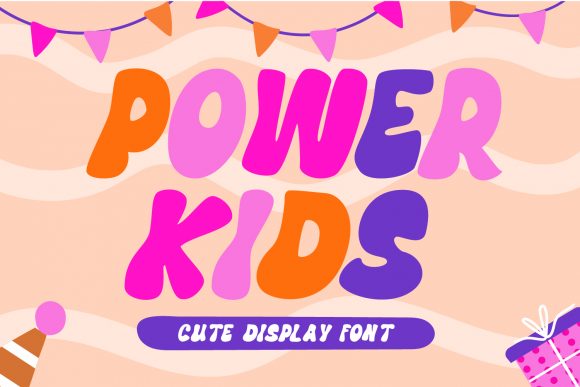
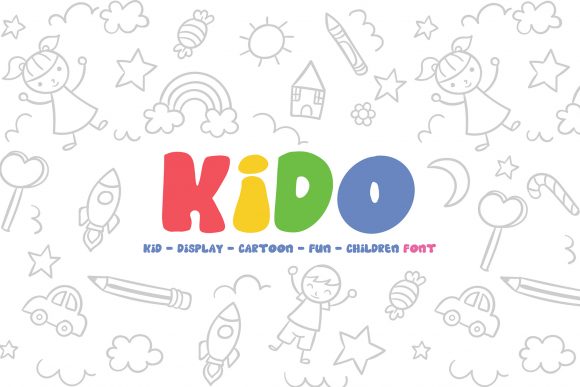
There's a particular kind of magic in designs that make people smile before they've even read a single word. That's the power of a typeface that carries genuine personality, and it's exactly what you get with Kido. This isn't just another display font sitting on a hard drive waiting for a project. Kido is a cute and bubbly display font that embodies playfulness and authenticity, making it a natural fit for children themed designs, especially when combined with bright colors. If you've been searching for a typeface that feels warm, approachable, and full of life, this one deserves a closer look.
Why Playful Typography Matters More Than You Think
We often underestimate how much a font communicates before content even registers. A child-focused bakery, a kids' clothing line, a family-friendly blog, or an educational app all need visual language that speaks to their audience. Stiff, corporate typefaces send the wrong message. Kido, on the other hand, arrives with rounded edges, cheerful proportions, and a handwritten warmth that immediately signals fun and trustworthiness.
Think about the last time you walked past a toy store or scrolled through a children's product page. The brands that stood out probably used typography that felt alive. That's not accidental. Designers and business owners who understand branding know that font choice is one of the fastest ways to establish tone. Kido makes that job significantly easier because its personality is baked right into every letterform.
Where Kido Truly Shines in Real Projects
Let's talk about practical applications, because a font is only as valuable as the projects it elevates. Kido works beautifully across a surprisingly wide range of creative contexts.
Branding and Logo Design
For small businesses targeting families, parents, or children, a logo sets the entire visual identity. Kido offers the kind of distinctiveness that helps a brand stick in someone's memory. A children's tutoring service, a kids' party planning company, or a family-oriented café could build an entire brand identity around this typeface. Paired with a clean sans serif font for body copy, Kido handles headlines and logos with effortless charm.
Packaging Design
Walk down any grocery aisle and you'll notice how children's products use typography strategically. Bright, rounded, playful fonts dominate cereal boxes, snack packaging, and toy labels. Kido fits right into this landscape. Its bubbly letterforms naturally draw the eye, and when set against vivid backgrounds or paired with illustrated characters, it creates packaging that kids gravitate toward and parents find appealing.
Social Media Graphics and Digital Content
Content creators and marketers working in the family and parenting space constantly need graphics that pop in crowded feeds. Instagram posts, Pinterest pins, Facebook headers, and YouTube thumbnails all benefit from typefaces that convey energy and friendliness. Kido works especially well for quote graphics, promotional announcements, and event invitations shared digitally. Its readability at various sizes makes it versatile enough for both large display text and smaller captions.
Websites and Blogs
Web design for children's brands often walks a fine line between playful and professional. You want personality without sacrificing usability. Kido serves as an excellent choice for hero sections, section headings, and call-to-action buttons where you need text to feel inviting. When paired with a legible serif font or a simple sans serif for longer paragraphs, it creates a visual hierarchy that guides visitors naturally through a page.
Print Materials and Merchandise
Posters for school events, flyers for kids' camps, t-shirt designs, tote bags, stickers, and birthday invitations all benefit from a font that feels handmade and genuine. Kido brings that quality without looking sloppy or unprofessional. It strikes a balance that many handwritten fonts miss: it looks crafted and intentional while still feeling spontaneous and fun.
Editorial Layouts and Digital Products
Children's book covers, activity sheets, educational workbooks, and e-books aimed at young readers need typography that complements colorful illustrations without competing with them. Kido's friendly geometry makes it a strong companion to hand-drawn artwork, watercolor textures, and cartoon-style graphics. It doesn't overpower visual elements; instead, it harmonizes with them.
Making Font Pairings Work for Your Project
One of the most practical skills in design is knowing how to combine typefaces effectively. A display font like Kido does its best work in headlines, logos, and short bursts of text. For body copy, you'll want something more restrained. A simple sans serif like Open Sans, Lato, or Montserrat creates a clean contrast that keeps longer paragraphs readable while letting Kido's personality shine in headings.
Alternatively, pairing Kido with a gentle serif font like Lora or Merriweather can create an interesting dynamic, especially for editorial projects like children's magazines or blog layouts. The key is contrast without conflict. Kido brings the energy and warmth; your secondary font brings structure and readability.
Always test your pairings in context. A combination that looks great in a font preview might behave differently on an actual website, a printed flyer, or a product label. View your typography at the sizes and in the environments where your audience will actually encounter it.
Readability Isn't Optional
Even the most charming font fails if people can't read it. Kido's rounded forms and generous spacing actually work in its favor here. Unlike some decorative display fonts that sacrifice legibility for style, Kido maintains clarity even at smaller sizes. That said, it's still a display typeface, which means it's designed for impact rather than extended reading. Use it strategically for headings, titles, short phrases, and accent text rather than setting entire paragraphs in it.
Consider your audience carefully. If your primary readers are children who are still developing reading skills, you want letterforms that are unambiguous. Kido's design respects that need, with distinct characters that don't blur into one another. For adult audiences, the font's warmth and approachability make it feel inviting without being condescending.
Licensing and Practical Considerations
Before using any font commercially, always review the licensing terms. Most premium fonts, including quality display fonts like Kido, come with specific licensing options depending on whether you're using them for personal projects, commercial work, client deliverables, or products for sale. Understanding these terms protects you legally and ensures the font creator is fairly compensated for their work.
Check whether the license covers the specific use cases you need. Can you embed it in digital products? Use it on merchandise? Include it in client branding packages? These details matter, and reputable font providers make them clear upfront.
Building a Visual Identity That Feels AuthenticThe best design choices feel inevitable in hindsight. When a children's brand uses Kido across its logo, website, packaging, and social media, something powerful happens. Customers start recognizing the brand before they even read the name. That's visual consistency at work, and it's one of the most undervalued assets a small business or creative project can build.
Kido doesn't try to be everything to everyone, and that's precisely its strength. It knows what it is: a playful, authentic, bubbly typeface that brings genuine joy to the projects it touches. For designers, entrepreneurs, and creators working in the children's space, having a font like this in your toolkit means you're always one project away from something that makes people smile.
Whether you're designing a logo for a new kids' brand, creating social media content for a family-oriented business, or putting together invitations for a child's birthday party, the right typography sets the tone before a single word is read. Kido sets a tone of warmth, fun, and authenticity that resonates with both children and the adults who make decisions for them. That combination is harder to find than most people realize, and it's worth every bit of attention you give it.