Dry Brush: The Modern Font That Brings Raw Energy to Your Designs
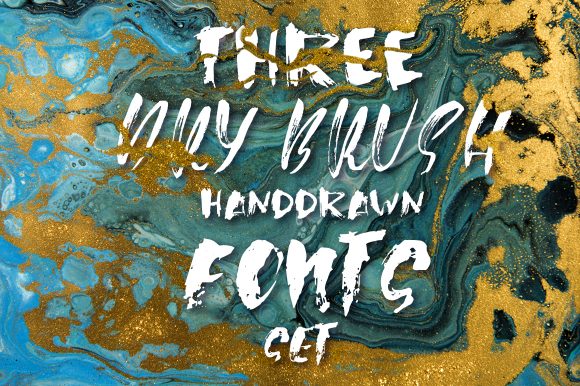
There's a certain kind of design that stops you mid-scroll. It's not always the most complex or colorful, but it has a texture, a grit, a feeling of being handmade that digital perfection often lacks. That's the space where the Dry Brush font lives. It's a rough, textured, and distinctly modern brushed display typeface. At first glance, its simplicity is its strength, but spend a moment with it, and you'll see how its strong visual character can instantly make a creation feel more authentic, energetic, and appealing than the sea of clean, corporate fonts out there.
More Than Just a Font: Capturing a Mood
What makes a typeface like Dry Brush so compelling isn't just its brushed aesthetic. It's the personality it carries. This isn't a delicate script or a formal serif font. It's bold, tactile, and carries the imperfect charm of an actual paintbrush stroke. This quality makes it a fantastic creative font for projects that need to convey energy, craftsmanship, or a touch of rebellious spirit. Think of a local coffee roaster's branding, a surf shop's logo, or the title of an indie film poster. Dry Brush provides that instant, recognizable vibe that connects with an audience on a more emotional level than standard typography.
For designers and brand strategists, choosing a display font is a critical part of defining a brand identity. It's not just about legibility; it's about alignment. Does the font's personality match the brand's voice? Dry Brush excels for brands that position themselves as authentic, hands-on, dynamic, or slightly edgy. It tells a story before a single word is read.
Putting Dry Brush to Work: From Screen to Print
The true test of any design asset is its versatility. Where does a font like Dry Brush truly shine? Its strength as a modern typography choice means it can be adapted across a surprising range of applications, provided you use it strategically.
- Logo Design & Branding: This is where Dry Brush can become the cornerstone of a visual identity. Its unique texture ensures a logo is memorable and stands out. It works exceptionally well for primary logos, or as a striking element within a broader brand system.
- Packaging Design: On a shelf filled with clean, minimalist labels, a product using a textured font like Dry Brush can grab attention instantly. It suggests artisanal quality, natural ingredients, or bold flavor. Imagine it on a hot sauce bottle, a craft beer label, or a hand-poured candle.
- Social Media Graphics: In the fast-paced world of feeds and stories, you have a second to make an impact. Use Dry Brush for bold headlines on quote graphics, promotional announcements, or YouTube thumbnails. Its rough texture cuts through the digital noise and feels more authentic than a standard bold sans serif.
- Websites & Blogs: While it's not a body text font, Dry Brush can be a powerful accent in web design. Use it for hero section headlines, section titles, or call-to-action buttons to inject personality into a site. A food blog might use it for recipe titles, while a fitness coach could use it for motivational headers.
- Print Materials & Posters: This font loves physical formats. It translates beautifully to posters, flyers, and event invitations, especially for music gigs, art shows, or community markets. The texture adds a layer of depth and interest that flat digital fonts can't replicate.
- Merchandise & Editorial Layouts: Think t-shirts, tote bags, and mug designs. Dry Brush's bold look is perfect for merchandise. In editorial design, it can create dramatic pull quotes or chapter headings that give a magazine or book cover a distinct, contemporary feel.
Smart Pairings and Practical Considerations
A powerful font needs the right partner. Because Dry Brush is a strong display font with high personality, pairing it requires a bit of thought. The goal is contrast and balance.
A classic and reliable approach is to pair it with a clean, neutral sans serif font. A typeface like Montserrat, Open Sans, or Lato for body text provides a calm, readable foundation that lets the headlines in Dry Brush truly pop. This combination maintains professionalism while allowing the creative font to do its job. Avoid pairing it with other highly stylized fonts, like an ornate script or another heavy brush font, as they will compete for attention and create visual chaos.
Readability is always king. While Dry Brush is fantastic for short, impactful text—like a headline, a logo, or a single word on a poster—it is not designed for long paragraphs. Its textured, brushed nature means that at small sizes or in large blocks, the details can become muddy and hard to read. Always prioritize the viewer's experience. Use it where its character can be appreciated without sacrificing clarity.
Making the Most of Your Font Choice
When you invest in a premium font, you're not just buying a single file. You're gaining access to a tool that should come with the right support. Before committing, review what's included. A good commercial font will often provide multiple styles (like regular and italic), alternate characters, or stylistic sets that give you more creative flexibility. Check for comprehensive language support if your project requires it.
Equally important is understanding the licensing. For any commercial project—whether it's a client's logo, a product you sell, or a website for your business—you need to ensure you have the proper commercial license. This is a non-negotiable step in professional practice that protects both you and the font's creator.
Ultimately, the right typeface is a silent ambassador for your project. Dry Brush offers a specific, powerful voice: one of texture, energy, and modern appeal. It won't be the right fit for a law firm's website or a medical pamphlet. But for a craft brewery, a streetwear brand, a podcast intro, or a musician's album art, it might be exactly the missing piece that transforms a good design into one that feels genuinely alive and connected. Test it out, see how it feels in context, and let its raw character help you tell your story.