Fungky Retro: The Bold Font That Brings the Groove
There's something undeniably magnetic about a typeface that knows exactly what it wants to be. Fungky Retro doesn't whisper—it arrives with confidence, a nod to the groovy aesthetics of decades past, and an energy that makes you want to look twice. If you've been scrolling through font libraries searching for that one typeface with real personality, something that feels alive on the page rather than flat and forgettable, this retro groovy font might be exactly what your next project needs.
What Makes Fungky Retro Visually Stand Out
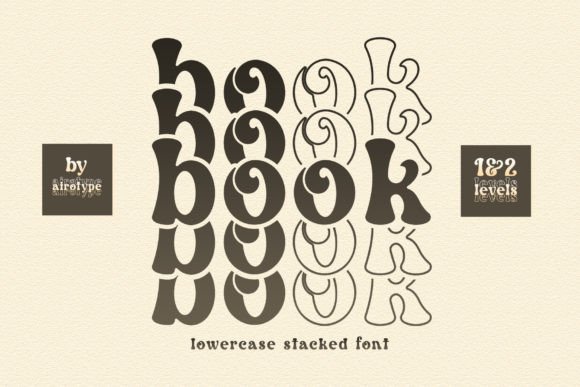
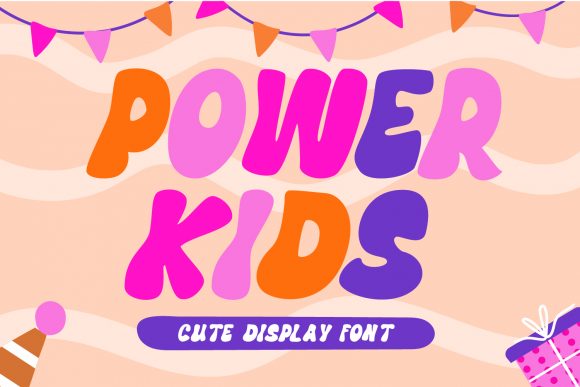
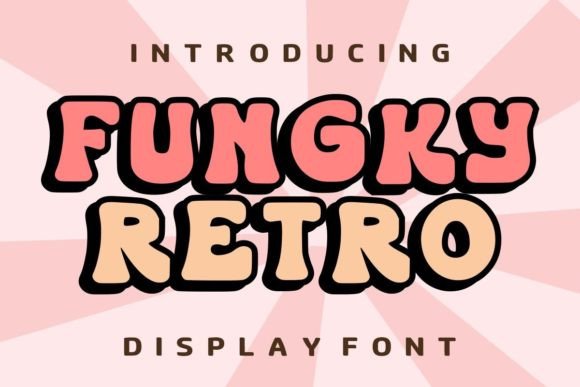
At its core, Fungky Retro is a bold-looking display font built for impact. The letterforms carry a dynamic, almost kinetic quality—thick strokes, playful curves, and a rhythm that echoes the visual culture of the '60s and '70s without feeling like a costume. It's not trying to replicate a specific era with pixel-perfect accuracy. Instead, it captures the spirit of that time: optimism, movement, and a willingness to be noticed.
The unique charm lies in the details. Each character has enough visual weight to command attention in a headline, yet the overall composition feels approachable rather than aggressive. That balance matters more than most people realize. A font that's too loud overwhelms a design. A font that's too quiet disappears. Fungky Retro sits in that sweet spot where it energizes a layout without hijacking the entire composition.
For anyone working in modern typography, understanding the difference between a display font and a workhorse text font is essential. Display fonts like this one are designed for short, high-impact moments—titles, headers, logos, callouts. They're not meant to set paragraphs of body copy. Knowing that distinction helps you use Fungky Retro strategically, pairing it with a clean sans serif font or a simple serif font for longer text while letting the display typeface do what it does best: grab attention and set a mood.
Where This Font Actually Works in Real Projects
Let's talk about practical applications, because a beautiful font only earns its place when it solves real design problems. Fungky Retro excels in contexts where you need to communicate energy, nostalgia, or a sense of fun without resorting to clip art or overused templates.
Branding and Logo Design: If you're building a brand identity for a coffee shop, a surf-inspired clothing line, a vinyl record store, or a boutique brewery, this typeface gives you an instant visual language. The retro groovy aesthetic signals that your brand doesn't take itself too seriously but still cares deeply about how it presents itself. For logo design, the bold weight and distinctive letter shapes create memorable wordmarks that hold up at different sizes—from a favicon to a storefront sign.
Packaging Design: Shelf presence matters. Whether you're designing labels for artisan hot sauce, granola bars, or craft soda, a creative font with this much character helps products stand out in a crowded retail environment. The dynamic effect of the letterforms draws the eye naturally, which is exactly what packaging needs to do in the first three seconds of someone scanning a shelf.
Social Media Graphics: Instagram posts, YouTube thumbnails, TikTok overlays, Pinterest pins—these platforms reward visual boldness. A striking headline set in Fungky Retro can stop someone mid-scroll. It works particularly well for event announcements, sale promotions, quote graphics, and any content where the title needs to carry the design without heavy supporting imagery.
Posters and Event Materials: Sporting events, school dances, music festivals, community fundraisers, automotive shows—these are natural homes for a font with this kind of energy. The groovy personality fits contexts where excitement and celebration are the goal. A poster for a local car show or a retro-themed party practically designs itself when you start with the right typeface.
Merchandise and Monogrammed Designs: T-shirts, tote bags, hats, stickers, and mugs all benefit from typography that feels distinctive. Fungky Retro's bold silhouette translates well to screen printing and embroidery, where clean shapes and strong contrast matter. For monogrammed designs, the font's personality adds character to single letters or initials without needing additional graphic elements.
Editorial Layouts and Digital Products: Magazine headers, blog post titles, e-book chapter headings, and online course graphics all need typography that establishes hierarchy and tone. Using Fungky Retro for these moments creates visual consistency across a publication or digital product, making your content feel cohesive and professionally presented.
Pairing Fungky Retro With Other Typefaces
No font works in isolation. Even the most striking display typeface needs supporting players. The key to successful font pairing is contrast—pairing Fungky Retro with something structurally different so each typeface has its own role.
A clean geometric sans serif font makes an excellent companion. Think of something like Montserrat, Poppins, or even a straightforward grotesque typeface for body copy and secondary text. The simplicity of the sans serif lets Fungky Retro's personality shine in headlines without creating visual competition.
You could also pair it with a simple serif font for projects that want a slightly more editorial or sophisticated feel. The contrast between the retro display typeface and a traditional serif creates visual interest while maintaining readability. Just avoid pairing it with another heavily stylized font—two strong personalities in the same design tend to clash rather than complement.
If your project calls for handwritten or script font elements—say, a casual annotation or a signature-style accent—keep those moments small and intentional. A script font used sparingly alongside Fungky Retro can add warmth, but too many decorative fonts competing for attention creates chaos rather than charm.
Readability Considerations Worth Your Attention
Every designer faces the tension between style and legibility. Fungky Retro is a display font, which means it's optimized for large sizes where its bold character is fully visible. At small sizes—think footnote text or fine print—the thick strokes and distinctive shapes may become harder to read. That's not a flaw; it's the nature of display typography.
The practical takeaway: use this font where it has room to breathe. Headlines, titles, logos, and large-format prints are its natural environment. For anything under roughly 18 points, switch to a more neutral typeface designed for extended reading. Your audience will thank you, and your designs will actually communicate the message instead of just looking interesting.
Test your designs at the actual size they'll be viewed. A headline on a poster reads differently than the same text on a phone screen. Print a proof if the project involves physical materials. Digital mockups are helpful, but nothing replaces seeing how a font actually performs in its intended context.
Licensing and the Business Side of Font Choices
Here's a detail that trips up a lot of people: font licensing. When you purchase a premium font like Fungky Retro, the license typically specifies how you can use it. Most commercial font licenses cover use in logos, marketing materials, and printed products, but the specifics vary. Some licenses distinguish between desktop use, web use, and app embedding.
Before you commit a font to a client project or a product line, read the license terms. If you're a freelancer designing for clients, make sure the license covers commercial use. If you're a small business owner creating your own materials, confirm that the license allows the specific applications you have in mind. It's a small step that prevents headaches later—especially if your brand grows and the font becomes central to your visual identity.
Design assets are investments, and a well-chosen typeface often pays for itself many times over through the consistency and professionalism it brings to your work. Treating font selection with the same care you'd give to choosing a photographer or a color palette elevates everything downstream.
Making It Work for Your Next Project
The best way to know if Fungky Retro belongs in your toolkit is to experiment with it. Set your actual headlines, not just pangrams and placeholder text. See how it looks with your brand colors. Test it in context—on your website, in a social media mockup, on a draft poster. Typography is a visual decision, and no amount of reading about a font replaces seeing it in action with your own content.
Consider what your project actually needs to communicate. If the answer involves energy, nostalgia, boldness, or a groovy sense of fun, this typeface delivers those qualities with genuine character. It's not trying to be everything to everyone, and that specificity is precisely what makes it useful. The fonts that try to be universal often end up feeling generic. The ones with a clear point of view—the ones that commit to a personality—are the ones that make designs memorable.
Whether you're a designer building out a brand system, a small business owner creating marketing materials, or a hobbyist working on a passion project, having a bold display font with real personality in your collection opens up creative possibilities that neutral typefaces simply can't match. Fungky Retro brings that retro groovy energy wherever you need it—headlines, logos, posters, packaging, and everything in between.