Retro Mama: The Handwritten Font with Vintage Soul
There’s a certain warmth you can’t fake in design. It’s the feeling of a handwritten note, the charming imperfection of a vintage sign, the nostalgic pull of something made by hand. In a digital landscape often dominated by clean, geometric sans-serifs and sharp serifs, this human touch can make a design feel instantly more relatable and memorable. That’s the specific magic a typeface like Retro Mama brings to the table. It’s not just a font; it’s a personality, a vibe, a direct line to a cooler, more authentic era of visual communication.
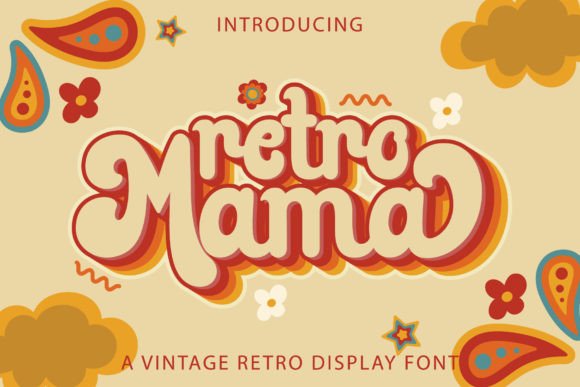
So, what exactly is Retro Mama? At its core, it’s a premium font designed in the style of a vintage handwritten display typeface. Think of the confident, flowing script you might see on a 1950s diner menu, a classic tattoo parlor flash sheet, or the title card of an old-school movie. It has that mid-century modern flair—stylish without being stuffy, expressive without sacrificing legibility. The letterforms have a natural, hand-lettered quality with a beautiful flow, giving any text an immediate retro personality. It’s a display font through and through, meaning it’s built for headlines, logos, and short bursts of impactful text rather than long paragraphs of body copy.
More Than Just a Pretty Face: Practical Applications
The true test of any creative font is how you can actually use it. This is where Retro Mama shines, offering versatile applications across both digital and physical projects. Its vintage charm translates beautifully to modern needs.
For branding and logo design, it’s a standout choice. Imagine it on the logo for a craft brewery, a boutique coffee roaster, a vintage clothing shop, or a handmade soap company. It instantly communicates a story of authenticity, craftsmanship, and a focus on quality. The font does a lot of the heavy lifting in establishing a brand identity that feels curated and intentional.
When it comes to packaging design, this typeface is a game-changer. Use it for product names on artisanal food labels, on the box for a specialty candle, or on the tag for a small-batch garment. It makes a product look special, considered, and worthy of a premium price point. The same principle applies to merchandise—think t-shirts, tote bags, and mugs where the typography itself is the main design element.
In the digital realm, Retro Mama is perfect for creating scroll-stopping social media graphics. Use it for quote overlays, sale announcements, podcast episode titles, or the header on a Pinterest pin. It adds a layer of visual interest and personality that can help your content stand out in a busy feed. For web design and blogs, it works exceptionally well for hero section headlines, article titles, and call-to-action buttons where you want to inject some character.
And let’s not forget print. This font is ideal for invitations (think weddings, birthdays, or gallery openings), stationery, posters, and editorial layouts. It can set the tone for an entire event or publication, making the physical piece feel like a keepsake.
Building a Cohesive Visual Language
Using a distinctive font like this isn’t just about decoration; it’s a strategic tool for improving how your audience perceives your work. Consistent use of a specific typeface across your marketing assets—from your website to your email newsletters to your printed flyers—builds visual consistency. This repetition is the bedrock of brand recognition. When people see that familiar, friendly script, they’ll start to associate it with your brand before they even read the words.
While it’s a display font, readability remains key. Retro Mama is designed with clarity in mind, ensuring its stylistic flair doesn’t come at the cost of being understood. The best practice is to use it for headlines and short phrases, pairing it with a clean, simple sans serif font or a traditional serif font for body text. This contrast creates a balanced, professional modern typography hierarchy that guides the reader’s eye and makes your content easy to consume.
The result is a more professional presentation. Thoughtful typography signals to your audience that you care about details. It elevates a simple social media post into a polished graphic and transforms a basic product label into an invitation to learn more. This attention to detail fosters trust and, ultimately, drives better audience engagement.
Getting the Most Out of Your Font
To truly harness the power of a typeface like this, a little practical know-how goes a long way. First, always consider your project’s goal. Is it meant to feel playful, nostalgic, elegant, or bold? The font personality should match the message. Retro Mama leans into vintage charm and handcrafted appeal, making it perfect for those themes.
Next, spend time on font pairing. Don’t just throw it on a page. Experiment with combinations. A geometric sans-serif like Montserrat or a classic serif like Garamond can provide a stable, readable counterpart that lets Retro Mama’s headline style pop. Test these pairings in context to see how they interact.
One of the biggest advantages of a well-crafted premium font is the included extras. With Retro Mama being PUA encoded, you have easy access to all its glyphs and swashes. This means you can explore alternate characters and decorative flourishes to customize your text further, adding unique, handwritten details that make your design one-of-a-kind. Review these included font styles and features to unlock its full potential.
Finally, always be mindful of commercial licensing. If you’re using the font for a client project, for merchandise you sell, or for a business logo, ensure you have the correct license. This protects you legally and supports the designers who create these valuable design assets.
Choosing the right typeface is a fundamental design decision that shapes the entire feel of a project. It’s about finding a voice that speaks in the right tone. For projects that call for a dose of nostalgia, warmth, and handcrafted authenticity, a handwritten font like Retro Mama offers a compelling solution. It bridges the gap between vintage appeal and contemporary use, providing a tool that’s as functional as it is full of character. The next time you’re starting a creative project, consider what story you want your typography to tell. Sometimes, the most powerful voice is one that feels like it was written just for you.