Paper Moon: Injecting Playful Energy into Modern Typography
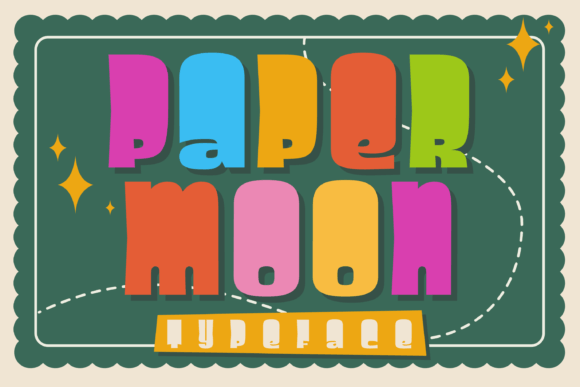
There is a specific moment in every design project where the typeface either fails the concept or elevates it to something memorable. If you have ever stared at a blank canvas trying to capture a sense of whimsy, nostalgia, or unadulterated fun, you know how difficult it can be to find the right voice. Too often, we settle for standard system fonts that are safe but lack personality. This is where Paper Moon enters the conversation. As a lively and bold display font, it bursts onto the scene with a playful charm that is hard to ignore. Its whimsical curves and chunky letterforms evoke a distinct sense of creativity, making it an essential asset for anyone looking to inject personality into their visual communication.
Capturing the Essence of Whimsy in Design
Design trends are constantly shifting, but the desire for authentic, human-centric visuals remains constant. We are seeing a move away from the rigid, ultra-minimalist sans-serif fonts that dominated the last decade, leaning instead toward typography that feels handmade and approachable. Paper Moon fits perfectly into this shift. It is not just a collection of letters; it is a design asset with a distinct voice. The "chunky" nature of the letterforms ensures that it commands attention, while the whimsical curves soften the blow, preventing it from looking aggressive.
For brand strategists and content creators, this balance is crucial. When you are designing a logo or a social media header, you need a typeface that stops the scroll. Standard sans serif fonts often blend into the noise of a busy feed, but a premium font like Paper Moon offers the visual texture needed to stand out. It suggests that a brand doesn't take itself too seriously, yet still values high-quality aesthetics. This makes it particularly effective for industries that rely on joy and creativity, such as the toy industry, children's education, artisan bakeries, or boutique event planning.
Practical Applications for Creative Professionals
Understanding where to deploy a display font is just as important as selecting the font itself. Because of its bold characteristics, Paper Moon is best utilized in scenarios where impact is more important than long-form readability. Think of it as the headline act, with a more neutral font serving as the supporting band.
For packaging design, Paper Moon offers an immediate shelf presence. Imagine a line of organic fruit snacks or a craft soda brand; the chunky letterforms mimic the tactile quality of the product, suggesting something substantial and enjoyable. In the realm of editorial design, it works wonders for pull quotes, chapter headers in lifestyle magazines, or the cover of a children's book. The font creates a visual hierarchy that guides the reader's eye exactly where you want it to go.
Furthermore, the digital space is rife with opportunities for this typeface. Website design often suffers from a lack of personality, particularly on "About" pages or 404 error pages. Using Paper Moon for these specific elements can humanize a digital experience. Similarly, for marketing assets such as flyers for a local festival, a garage sale poster, or wedding invitations, the font sets the mood instantly. It tells the viewer that the event will be fun, relaxed, and visually engaging before they even read the details.
Bridging the Gap Between Professional and Playful
One of the hardest challenges for small business owners is balancing professionalism with approachability. You want to look established and trustworthy, but you also want to attract customers with warmth. Paper Moon acts as a bridge between these two goals. Unlike a messy handwritten font that might look unprofessional or a rigid serif font that might feel too corporate, this typeface maintains high legibility while retaining a distinct character.
Consider the realm of brand identity. A logo sets the tone for every interaction a customer has with a business. If a business specializes in custom party supplies or creative workshops, a standard modern typography approach might feel sterile. Paper Moon allows the brand to look polished and intentional while signaling that they are creative and fun. It helps improve brand recognition because the shapes of the letters are so distinctive; customers will begin to associate those whimsical curves with the brand's specific promise of quality and creativity.
Strategic Typography and Font Pairing
Using a bold creative font effectively requires a strategy, particularly regarding font pairing. Because Paper Moon has such a strong personality, it can easily overwhelm a design if used for body text. The key to visual consistency is pairing it with a typeface that complements rather than competes.
A practical approach is to combine Paper Moon with a clean, geometric sans serif font. The neutrality of the sans-serif will allow the headlines to shine without causing visual fatigue. For example, if you are designing a web design layout, use Paper Moon for the H1 and H2 tags to establish the brand voice, but switch to a highly readable sans-serif for the paragraph text to ensure readability across different screen sizes.
When testing pairings, pay attention to the x-height and the weight. Since Paper Moon is "chunky," you want a body font that has enough weight to not look washed out next to it, but not so much that the page looks dark. Visual consistency also comes from using the font consistently across different mediums. If you use it for your social media graphics, ensure the version you use on your merchandise or digital products maintains the same sizing ratios to build a cohesive ecosystem.
Maximizing Your Design Assets
When investing in a commercial font, it is vital to review the full character set and licensing terms. A high-quality typeface like Paper Moon often includes alternates, ligatures, or multilingual support that can expand your creative options. Before finalizing a design, explore the full range of the font family to see if there are specific stylistic sets that enhance the flow of your text.
Additionally, commercial licensing is a critical consideration for entrepreneurs. If you are creating print materials, logo design, or packaging for a client, you must ensure your license covers commercial use. This protects both you and your client from legal issues down the road. It is a small administrative detail that separates amateur hobbyists from professional designers.
Ultimately, typography is about communication. Whether you are a blogger trying to establish a unique voice, a marketer aiming to boost audience engagement, or a designer crafting a brand identity, the tools you choose matter. Paper Moon offers a way to step away from the mundane and embrace a style that is bold, joyful, and undeniably creative. It reminds us that design should not only be functional but also fun.