Fishbone: The Quirky Display Font That Sparks Personality
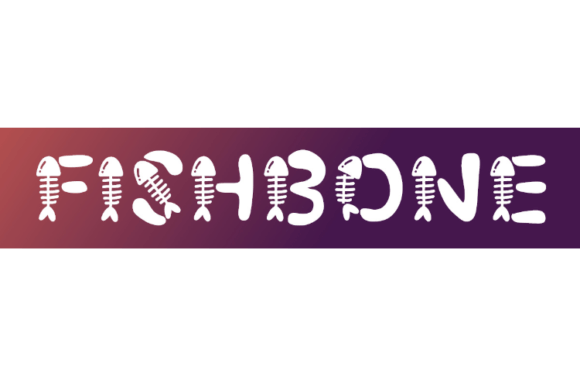
There's something magnetic about a font that doesn't just sit quietly on the page but actually speaks with character. Fishbone is exactly that kind of typeface. It's bold, it's playful, and it carries a distinctive energy that makes designs feel instantly more alive. Whether you're building a brand from scratch, refreshing a tired visual identity, or just need something that pops off a social media feed, this display font brings a level of personality that's hard to ignore.
What sets Fishbone apart from the sea of available typefaces isn't just its visual flair. It's the way it manages to be both fun and functional at the same time. Plenty of decorative fonts look great in isolation but fall apart the moment you try to use them in a real project. Fishbone sidesteps that problem. Its letterforms are crafted with enough consistency and rhythm that it reads well at headline sizes, making it a genuinely useful addition to any designer's toolkit.
A Typeface Built for Creative Expression
Every font carries an emotional tone. Serif fonts whisper tradition and authority. Sans serif fonts speak with clean modernity. Script and handwritten fonts evoke warmth and personal touch. Fishbone occupies its own lane entirely. It's a display typeface that leans into playful geometry and unexpected details, giving it a voice that feels contemporary without being trendy.
This makes it particularly well-suited for projects where you want to stand out without resorting to gimmicks. Think about the brands you remember most. They often have a visual identity that feels unmistakably theirs, and typography plays a massive role in that. A font like Fishbone can become the anchor of a brand's personality, especially for businesses that want to convey creativity, approachability, and a sense of fun.
Consider a local bakery that wants to feel artisanal but not stuffy. Or a children's clothing brand that needs to appeal to design-conscious parents. Maybe you're a content creator building a personal brand around craft tutorials or lifestyle content. In each of these scenarios, the right typeface does more than display words. It sets a mood before anyone reads a single sentence.
Where Fishbone Truly Shines
Display fonts like Fishbone are built for moments where impact matters most. They're not meant for body copy or lengthy paragraphs. Instead, they excel in situations where you need a headline, a title, or a short piece of text to command attention.
Logo design is one of the most natural fits. A logo needs to be memorable, and a typeface with distinctive character helps achieve that instantly. Fishbone's quirky letterforms give logos a sense of personality that generic sans serifs simply can't match. It works especially well for brands in creative industries, food and beverage, entertainment, children's products, and lifestyle markets.
Packaging design is another arena where this font earns its place. On a crowded shelf, packaging has roughly three seconds to grab someone's attention. The typography on that package plays a critical role in those first moments. A display font with personality helps products feel more curated and intentional, which can be the difference between someone picking up a product or walking past it.
Social media graphics benefit enormously from bold typographic choices. Platforms like Instagram, Pinterest, and TikTok are visually saturated environments. Posts that use distinctive fonts tend to stop the scroll more effectively than those relying on overused defaults. Fishbone works beautifully for quote graphics, announcement posts, sale banners, and story overlays where you want text to feel like a design element rather than just information.
Poster and flyer design is a classic use case for display typography. Whether you're promoting an event, advertising a sale, or creating art prints, a font with visual weight and character helps communicate energy and excitement. Fishbone's playful geometry makes it especially effective for designs targeting younger audiences or creative communities.
Website headers and hero sections also benefit from a strong display font choice. While body text should prioritize readability above all else, headlines and section titles have more room to be expressive. Using Fishbone for your site's headings while pairing it with a clean sans serif for body text creates a visual hierarchy that feels both professional and distinctive.
Invitations, greeting cards, and stationery represent another natural home for this typeface. Wedding invitations, birthday cards, holiday greetings, and thank-you notes all benefit from typography that feels personal and memorable. A font with character transforms a simple card into something that feels thoughtfully designed.
Merchandise and apparel design is increasingly accessible thanks to print-on-demand services. If you're creating t-shirts, tote bags, mugs, or stickers, the typography you choose becomes a core part of the product's appeal. A distinctive display font helps merchandise feel like intentional design rather than a generic template.
Pairing Fishbone with Other Fonts
One of the most practical skills in design is knowing how to combine typefaces effectively. A display font like Fishbone shouldn't carry the entire load of a design. It works best as the star of the show in headlines and short text, while a more neutral companion handles longer content.
The general principle is contrast without conflict. Since Fishbone has a lot of personality, pair it with something simpler and more understated. A clean sans serif like a geometric or humanist typeface creates a nice balance. The display font draws the eye, and the supporting font keeps things readable and grounded.
Avoid pairing Fishbone with another highly decorative or ornate font. Two competing voices create visual noise rather than harmony. Think of it like a conversation. One person can be animated and expressive while the other listens and responds calmly. That balance creates something engaging and easy to follow.
When testing font pairings, set them side by side in the actual context where they'll appear. A combination that looks great in a font preview might feel different on a real website header or product label. Always test at the sizes and in the layouts you'll actually use.
Readability and Practical Considerations
Even the most beautiful font is useless if people can't read it. Display fonts by nature sacrifice some readability for personality, and that's perfectly fine in the right context. The key is knowing when and where to use them.
Fishbone works best at larger sizes. Headlines, titles, logos, and short phrases are its sweet spot. Avoid using it for body text, fine print, or any situation where someone needs to read extended passages comfortably. That's not a limitation. It's simply understanding the intended purpose of the font.
Letter spacing and line height also matter with display typefaces. Because they often have more distinctive letterforms, giving them a little extra breathing room can improve both readability and visual impact. Don't be afraid to adjust tracking and leading to suit your specific layout.
Color contrast is another factor worth considering. Bold, quirky fonts can sometimes lose definition when placed on busy backgrounds or in low-contrast color combinations. Test your designs in different contexts. View them on various screens, print them out, and ask someone unfamiliar with the project to read them. Fresh eyes catch issues you might overlook.
Licensing and Building Your Font Library
When investing in a premium font, licensing is an important consideration. Different fonts come with different usage rights, and understanding those terms protects you legally and ensures you're using the asset appropriately.
Most quality display fonts intended for creative professionals include commercial licensing, which covers use in client projects, products for sale, and business branding. However, the specifics can vary. Some licenses cover a certain number of users or projects. Others are more open. Always review the licensing terms before purchasing, especially if you plan to use the font for merchandise, digital products, or large-scale commercial applications.
Building a thoughtful font library is one of the smartest investments a designer or creative professional can make. Rather than collecting hundreds of mediocre typefaces, curate a smaller selection of well-crafted fonts that cover a range of needs. A strong display font like Fishbone, paired with a reliable sans serif, a versatile serif, and perhaps a script or handwritten option, gives you enough flexibility to handle most design projects with confidence.
The goal isn't to own every font available. It's to have the right fonts for the work you actually do. If your projects involve branding, social media, packaging, or any kind of visual marketing, a characterful display typeface is a foundational piece of that puzzle.
Making Typography Work for Your Projects
Typography is one of those design elements that often gets overlooked, especially by people who aren't trained designers. But its impact on how your work is perceived is enormous. The fonts you choose communicate tone, quality, and intention before anyone processes the actual words.
A font like Fishbone gives you a tool for injecting personality into your visual communication without needing advanced design skills. It does a lot of the heavy lifting simply by existing in your layout. Used thoughtfully, it can transform a basic social media post into something that feels curated, turn a simple logo into something memorable, and make printed materials feel more polished and intentional.
The real magic happens when typography aligns with the overall message of your project. A quirky, playful font paired with playful content and vibrant colors creates a cohesive experience. That consistency builds brand recognition over time. People start to associate that visual language with you, and that association is incredibly valuable whether you're running a business, building an audience, or simply creating things you're proud of.
Invest time in experimenting. Try Fishbone in different contexts. Play with sizes, colors, and pairings. See how it feels alongside your existing brand assets or within a new project concept. The best way to understand what a font can do is to put it to work and see where it takes you.