Blocker: The Display Font That Brings Personality to Every Project
There’s a moment in every creative project when you realize the typography just isn’t working. The text feels flat, the message gets lost, or the whole design lacks that spark of personality it needs to connect with an audience. That’s where a font like Blocker enters the picture—not as a subtle background player, but as a statement piece designed to grab attention and inject character into your work.
Understanding Blocker’s Visual Character
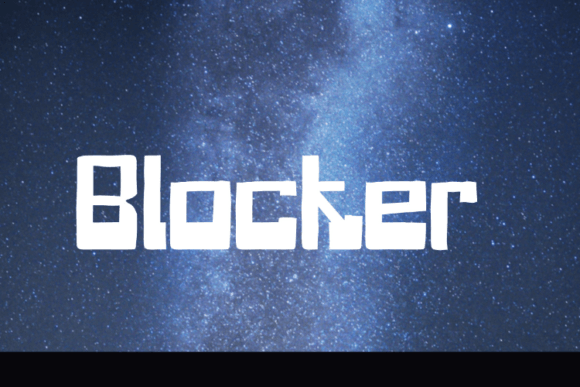
Blocker is a display typeface built for impact. Its design balances boldness with approachability, making it versatile enough for various applications while still maintaining a distinct, quirky personality. The letterforms feature slightly exaggerated proportions and unique details that give text a lively, energetic feel without sacrificing legibility. This isn’t a font that whispers; it speaks clearly and confidently.
What makes it particularly effective is how it walks the line between being distinctive and functional. Some display fonts are so ornate they become difficult to read at smaller sizes. Blocker maintains its charm across different scales, which is crucial for projects that need to work across multiple platforms—from large-format posters to social media graphics viewed on mobile screens.
Where Blocker Truly Shines: Practical Applications
For designers and business owners, the real value of any typeface lies in how it performs in actual projects. Blocker’s personality makes it especially effective in several key areas where visual impact matters most.
Branding and Logo Design: When you’re building a brand identity, the primary typeface sets the entire visual tone. Blocker works exceptionally well for brands that want to project confidence, creativity, and approachability. Think of boutique businesses, creative agencies, artisanal product lines, or lifestyle brands that need to stand out in crowded markets. Its character helps create logos that are memorable and distinctive, which is essential for brand recognition in competitive spaces.
Packaging and Product Design: On shelves—physical or digital—packaging needs to communicate quickly and effectively. Blocker’s clear personality helps products tell their story at a glance. For specialty foods, craft beverages, beauty products, or any item where the packaging is part of the experience, this font adds that touch of craftsmanship and attention to detail that consumers notice and appreciate.
Digital Presence and Social Media: In the fast-scrolling world of social media, you have milliseconds to make an impression. Blocker’s bold character helps graphics stand out in crowded feeds. It’s particularly effective for Instagram quotes, Pinterest graphics, YouTube thumbnails, and any digital content where visual stop-power matters. The font maintains its personality even when reduced to smaller sizes for profile elements or website navigation.
Print Materials and Editorial Layouts: From magazine headers to event posters, print design often relies on typography to create hierarchy and visual interest. Blocker excels as a headline font in editorial layouts, adding energy to feature stories or event promotions. For invitations—whether for weddings, corporate events, or community gatherings—it brings a celebratory, approachable feel that more traditional fonts might lack.
Making Typography Work for Your Goals
Choosing a font like Blocker is just the first step. The real skill lies in implementing it effectively within your overall design strategy. Here are some practical considerations for getting the most from this typeface.
Font Pairing Fundamentals: Display fonts like Blocker work best when paired with simpler, more neutral typefaces for body text. Consider pairing it with a clean sans-serif for digital projects or a readable serif for longer print pieces. The contrast creates visual hierarchy—Blocker handles the headlines and important calls-to-action, while the secondary font manages longer passages of text. Test different combinations to see what feels balanced for your specific project.
Readability Across Contexts: While Blocker maintains good legibility for a display font, always test it in your actual application environment. View it at the sizes you’ll actually use, on the devices or materials your audience will encounter. For website use, check how it renders across different browsers and screen sizes. For print, order physical proofs to ensure the details come through clearly in the final production.
Matching Font to Message: Every project has a specific tone and goal. Blocker’s personality works brilliantly for brands and projects that want to feel energetic, creative, and approachable. It might be less suitable for contexts requiring extreme formality or traditional elegance. The key is alignment between your typographic choice and your overall brand voice or project message.
Exploring Included Styles: Many premium fonts come with multiple weights, styles, or alternates. Check what variations are included with Blocker—different weights can provide flexibility for creating hierarchy within your designs while maintaining visual consistency. Having access to bold, regular, and light versions gives you more tools for structuring information effectively.
Building Visual Consistency and Professional Presentation
One of the most significant benefits of using a distinctive typeface like Blocker across your projects is the consistency it brings to your visual identity. When customers encounter the same typography across your website, social media, packaging, and marketing materials, it builds recognition and trust. This consistency signals professionalism and attention to detail—qualities that translate directly into perceived value for your brand or business.
For small business owners and entrepreneurs, this consistency is particularly powerful. You might not have the budget for a complete rebrand every year, but investing in a strong primary typeface creates a foundation that can evolve with your business. Blocker’s versatility means it can adapt as your brand grows—from initial startup phase through expansion into new products, services, or markets.
Content creators and bloggers also benefit from this approach. Using the same font across your blog headers, social media graphics, and digital products creates a cohesive experience that helps your audience recognize your content immediately in crowded feeds. This recognition builds familiarity, and familiarity builds trust—the foundation of any successful audience relationship.
Practical Considerations for Commercial Use
Before implementing any font in commercial projects, understanding the licensing is essential. Most premium fonts come with specific terms regarding how they can be used—in logos, on merchandise, in digital products, or across multiple client projects. Review the license carefully to ensure it covers your intended applications. Some licenses are per-user, others are per-project, and many offer different tiers for different scales of use.
For designers working with clients, this consideration becomes even more important. You need to ensure the font license covers both your work and your client’s use of the final designs. When in doubt, consult the font provider’s licensing terms or reach out for clarification—it’s always better to understand these details upfront rather than discovering limitations after a project is complete.
Blocker, as a commercial display font, typically comes with licensing that covers standard creative and commercial applications. However, specific terms can vary, so review the details before purchasing, especially if you’re planning to use it in high-volume merchandise or widely distributed digital products.
Final Thoughts on Choosing Your Next Creative Asset
Typography choices might seem small in the grand scheme of a project, but they carry enormous weight in how your work is perceived. A font like Blocker offers more than just letterforms—it provides personality, consistency, and visual impact that can elevate everything from a simple social media graphic to a comprehensive brand identity.
The best way to determine if it’s right for your needs is to test it with your actual project materials. See how it feels with your color palette, your imagery, your brand voice. Typography is ultimately about communication, and the right font doesn’t just look good—it helps your message land exactly as you intend, with the personality and professionalism your work deserves.