Groovy Dog: A Playful Typeface for Creative Projects
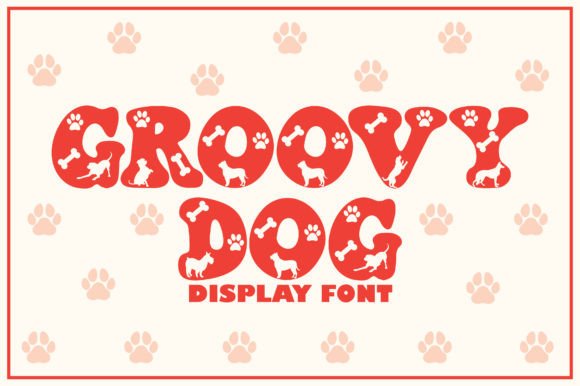
There’s something undeniably magnetic about a font that doesn’t just sit on a page but practically wags its tail. Groovy Dog is exactly that kind of typeface—a fun, incredibly cute display font that injects personality into any project it touches. Whether you’re designing a logo for a new pet boutique, crafting social media posts for a lifestyle brand, or putting together invitations for a friend’s birthday party, this font brings a warmth and playfulness that’s hard to ignore. It’s the kind of design asset that makes people smile before they even read the words, and in a world saturated with sterile, generic typography, that’s a genuine advantage.
Why This Font Feels So Approachable
What sets Groovy Dog apart from thousands of other display fonts is its balance between whimsy and legibility. Many playful typefaces sacrifice readability for style, forcing designers to choose between a font that looks great and one that actually works in context. This one manages to be both. Its rounded letterforms and slightly bouncy baseline give it a friendly, hand-lettered quality without descending into chaos. Each character feels intentional, crafted to work harmoniously with the others, which means you can use it for headlines, short paragraphs, or standalone branding elements without worrying about visual clutter.
The font’s visual personality leans into a retro-modern aesthetic—think 1970s charm with contemporary polish. That makes it surprisingly versatile. It works beautifully for children’s products, but it’s equally at home in coffee shop branding, indie music artwork, or even tech startups that want to signal approachability. The key is understanding the mood you want to evoke. If your project calls for warmth, creativity, and a touch of nostalgia, Groovy Dog delivers without feeling dated or overly thematic.
Real-World Applications That Actually Work
Let’s talk specifics, because a font is only as good as the projects it enhances. Here’s where this particular typeface shines:
- Branding and Logo Design: A logo sets the tone for everything a business communicates. Using a creative font like this one for a bakery, pet grooming service, or children’s clothing line can instantly convey the brand’s personality. It tells customers, “We’re approachable, fun, and we care about the details.”
- Packaging Design: On shelf or in an online store, packaging has about three seconds to grab attention. A distinctive display typeface helps products stand out, especially in crowded markets like artisan foods, cosmetics, or specialty goods.
- Social Media Graphics: Platforms like Instagram and Pinterest are visual battlegrounds. Fonts that feel human and energetic tend to perform better in feeds dominated by polished, impersonal content. Pair this typeface with bold colors and clean layouts, and your posts will stop the scroll.
- Website Headers and Blogs: While you wouldn’t set an entire blog post in a display font, using it for headers, pull quotes, or featured sections adds visual interest and breaks up monotony. It guides the reader’s eye and reinforces brand identity across digital touchpoints.
- Print Materials and Posters: Event posters, flyers, and printed invitations benefit enormously from fonts with character. A community fair, a local theater production, or a neighborhood market poster using this typeface will feel inviting and energetic.
- Merchandise and Digital Products: T-shirts, mugs, stickers, printable planners—these items live or die by their visual appeal. A well-chosen font can transform a simple design into something people actually want to buy or download.
Pairing and Practical Considerations
One of the most common mistakes designers make—beginners and veterans alike—is choosing a font in isolation. Typography is relational. A display font like Groovy Dog needs a partner, typically a clean sans serif or a simple serif typeface, to handle body text and supporting information. Think of it as the lead vocalist in a band: it needs a solid rhythm section to really perform.
When pairing, contrast is your friend. If the display font is playful and rounded, pair it with something structured and neutral for body copy. A modern sans serif like Montserrat or a classic serif like Lora can provide that balance. Test your combinations at different sizes and on different backgrounds. What looks charming on a desktop screen might feel overwhelming on a mobile device, so always preview your work in context.
Readability is another critical factor. Display fonts are designed for impact, not for long-form reading. Use this typeface strategically—for headlines, subheadings, logos, and short call-to-action phrases. For paragraphs, informational text, or anything longer than a sentence or two, switch to a more traditional typeface. This isn’t a limitation; it’s how good typography works. Every font has a role, and playing to each typeface’s strengths produces more professional, polished results.
It’s also worth reviewing what styles and weights are included with the font package. Some premium fonts come with alternates, ligatures, or multiple weights that expand your design options significantly. Understanding what’s available before you start a project saves time and prevents frustration later. And always check the licensing. If you’re using the font for commercial work—client projects, merchandise sales, or branded content—make sure the license covers that use. Most reputable font marketplaces make this clear, but it’s your responsibility to verify.
Building Visual Consistency Across Touchpoints
One of the most underrated benefits of choosing the right typeface early in a project is the consistency it creates. When a brand uses the same font across its website, social media, packaging, and printed materials, it builds recognition. Customers start to associate that visual style with the business itself. It’s a subtle but powerful form of brand identity that doesn’t require a massive budget—just thoughtful decisions.
Groovy Dog lends itself particularly well to this kind of cohesive branding because its personality is strong enough to be memorable but flexible enough to adapt. You might use it for your Instagram story highlights, your product labels, your email newsletter header, and your thank-you cards. Each application looks slightly different depending on color, layout, and imagery, but the typography ties everything together. That’s the mark of a well-chosen design asset.
For small business owners and entrepreneurs who wear many hats, this kind of visual shorthand is invaluable. You don’t need a full design team to create a brand that looks intentional and professional. You need a few strong foundational elements—a color palette, a logo, and a typeface that reflects who you are. Get those right, and everything else becomes easier.
Choosing Fonts That Serve Your Goals
Before committing to any typeface, ask yourself a few practical questions. What emotion should this project evoke? Who is the audience? Where will this design live—on screen, in print, or both? A font that works beautifully for a children’s book cover might feel out of place on a financial services website, even if it’s technically well-designed. Context matters more than almost anything else in typography.
It’s also worth experimenting. Download a trial if available, set your actual project text in the font, and live with it for a day. Does it still feel right after the initial excitement wears off? Does it work at the sizes you need? Does it pair well with your other design elements? These practical tests are far more valuable than scrolling through endless font galleries trying to find the “perfect” option.
Ultimately, the best font for any project is the one that serves the work—not the one that’s trendiest or most expensive. Groovy Dog earns its place in a designer’s toolkit because it does something specific and does it well: it brings joy, personality, and visual warmth to creative projects. When you find a typeface that aligns with your vision and communicates the right message, the results speak for themselves. Your audience may not consciously notice the font, but they’ll feel its effect—and that’s exactly how great design is supposed to work.