Fishman: A Vintage Typeface with Authentic Character
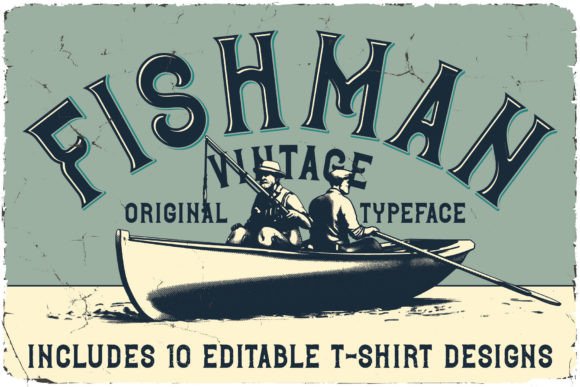
There’s a certain magic in a hand-painted shop sign from the mid-20th century—the kind that feels both familiar and full of personality. It’s a look that digital fonts often struggle to capture, but the Fishman typeface does so with remarkable authenticity. This vintage-style display font doesn’t just mimic the past; it embodies the confident, detailed craftsmanship of classic signage, offering designers a powerful tool for injecting genuine retro charm into modern projects. Its bold letterforms and intricate details provide an immediate sense of history and credibility, making it far more than just another creative font—it’s a storyteller.
More Than Just a Pretty Face: The Practical Power of Retro Aesthetics
While its visual appeal is undeniable, the true value of a premium font like Fishman lies in its application. In a crowded digital landscape, standing out requires more than just a good product; it requires a distinct brand identity. This is where a character-rich typeface becomes a strategic asset. For a small business owner crafting a new coffee roastery, a craft brewery, or a boutique clothing line, using Fishman for the logo and primary branding immediately communicates a story of quality, tradition, and attention to detail. It suggests a brand with roots, which can build instant trust and recognition.
Beyond logos, its impact on packaging design is profound. Imagine a hot sauce label, a artisanal chocolate box, or a bottle of craft soda set on a shelf. Fishman’s bold presence ensures the product name is legible from a distance, while its decorative serifs and nostalgic flair create an emotional connection that a plain sans-serif might miss. This isn’t just about looking good; it’s about effective visual communication that drives sales. For marketing assets like posters for a local event, flyers for a pop-up shop, or social media announcements for a sale, this display font cuts through the noise. It has a built-in voice—confident, friendly, and trustworthy—that can significantly boost audience engagement.
Integrating Fishman into Your Design Toolkit
Understanding a font’s personality is key to using it effectively. Fishman excels as a headline or accent typeface. Its intricate details are best appreciated at larger sizes, making it perfect for titles, headers, and pull quotes. For editorial design in blogs, magazines, or digital products like e-books, using it for chapter headings or section dividers adds a layer of sophistication and visual interest that guides the reader’s eye.
The art of font pairing is crucial to maintaining readability and hierarchy. A common mistake is pairing a bold display font like Fishman with another ornate typeface, which can create visual clutter. The solution is to balance it with a clean, simple companion. A versatile sans serif font for body text provides a perfect counterpoint, allowing Fishman’s personality to shine without overwhelming the layout. Alternatively, a simple, understated serif font can create a more traditional, elegant feel. Testing these pairings in context is non-negotiable—what looks good in a preview might need adjustment for long-form reading on a website.
From Screen to Print: Ensuring Consistency and Clarity
A significant challenge in modern design is maintaining visual consistency across all touchpoints. Your brand needs to look cohesive whether a customer is viewing your Instagram feed on their phone, reading your website on a laptop, or holding a printed brochure. A well-chosen typeface like Fishman acts as a unifying element. Using it consistently for all primary headings across social media graphics, web design, and print materials reinforces brand recognition every single time a customer interacts with your business.
However, practicality must guide aesthetics. While Fishman is a stunning creative font, its readability for large blocks of small text is limited, as with most detailed display fonts. This is where understanding your project goals is vital. For a wedding invitation, its elegance is perfect for the couple’s names. For a website’s main navigation menu, a simpler sans-serif is a more user-friendly choice. Always consider the medium and the user’s experience. Reviewing the full font family is also wise; many premium fonts include multiple weights or styles (like regular, bold, or italic) that offer flexibility within the same aesthetic.
Final Considerations for Commercial Use
For designers, entrepreneurs, and content creators, the legal aspect of using fonts is a critical, often overlooked, part of the process. Before incorporating any commercial font into a client project, a product line, or merchandise for sale, it is essential to thoroughly review the licensing terms. Licenses vary significantly—some are for personal use only, while others cover a specific number of commercial projects or print runs. Ensuring you have the correct license protects you legally and supports the type designers who create these valuable design assets.
Ultimately, selecting a font like Fishman is a decision that blends art with strategy. It’s about choosing a tool that not only looks beautiful but also serves your communication goals, strengthens your brand’s narrative, and resonates with your target audience. By thoughtfully applying its vintage charm, you can create designs that feel both timeless and deeply engaging.