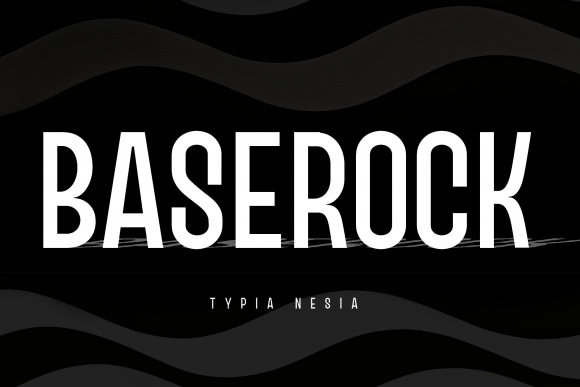
Baserock: The Clean, Sharp Font for Modern Design
There's a particular kind of font that doesn't just sit on a page—it commands attention with quiet confidence. Baserock is exactly that kind of typeface. It's clean, simple, and sharp, offering a modern aesthetic that feels both versatile and intentional. Whether you're designing a brand identity from scratch or refreshing your social media graphics, this display font brings a level of polish that elevates your work without overwhelming it. Let's explore how Baserock can become a cornerstone of your creative toolkit and why its design makes it so effective across different projects.
Understanding Baserock's Visual Personality
What immediately stands out about Baserock is its balanced geometry. The letterforms are crafted with precision—crisp edges, consistent stroke widths, and thoughtful spacing that gives text room to breathe. This isn't a font that tries too hard; instead, it communicates through clarity and structure. The uppercase letters have a strong, architectural feel, while the lowercase maintains excellent readability even at smaller sizes.
For designers who appreciate modern typography, Baserock sits in that sweet spot between contemporary minimalism and functional versatility. It avoids the extremes of being too cold or too playful, making it suitable for projects that need to look professional yet approachable. Think of it as the design equivalent of a well-tailored outfit—appropriate for multiple occasions without feeling generic.
Where Baserock Truly Shines: Practical Applications
The real test of any premium font is how well it performs in actual use. Baserock's clean lines and sharp character make it particularly effective in several key areas:
Brand Identity and Logo Design: A strong brand needs typography that reflects its values. Baserock works beautifully for logos because it remains legible at various sizes—from a tiny favicon to a large storefront sign. Its simplicity ensures it won't date quickly, which is crucial for brands thinking long-term. Pair it with a complementary serif font or a soft script font for contrast, and you have a versatile typographic system.
Packaging and Print Materials: On physical products, clarity is everything. Baserock's sharp edges ensure text remains crisp when printed on labels, boxes, or marketing collateral. For packaging design, consider using the bold weight for product names and the regular weight for descriptions. This creates visual hierarchy without needing multiple typefaces.
Digital Presence: From website headers to social media graphics, Baserock adapts seamlessly to screen-based applications. Its clean construction means it renders well on different devices and resolutions. For web design, it pairs nicely with a readable sans serif font for body text, creating a cohesive look that guides visitors through your content.
Editorial and Marketing Assets: Whether you're designing magazine layouts, blog graphics, or email newsletters, Baserock brings consistency to your visual communication. Its straightforward personality doesn't compete with your message but rather supports it, making information easier to digest.
Improving Your Visual Communication
Choosing the right display font isn't just about aesthetics—it directly impacts how your audience perceives and engages with your content. Here's how Baserock can enhance specific aspects of your projects:
- Visual Consistency: Using one well-designed font family across multiple touchpoints creates a unified brand experience. Baserock's range of styles allows you to maintain consistency while still having flexibility for different contexts.
- Readability at Scale: Unlike some decorative fonts that sacrifice legibility for style, Baserock maintains excellent readability whether you're using it for a headline or a subheading. This is particularly important for marketing materials where you need to communicate quickly.
- Professional Presentation: First impressions matter, especially in competitive markets. The polished look of Baserock signals attention to detail and quality—qualities that reflect well on any brand or project.
- Audience Engagement: Clean typography reduces cognitive load, making it easier for people to absorb your message. When text is comfortable to read, visitors stay longer and engage more deeply with your content.
Smart Font Pairing Strategies
While Baserock works well on its own, combining it with other typefaces can create more dynamic and effective designs. Here are some practical approaches:
For projects that need both authority and warmth, pair Baserock with a humanist sans serif font. The contrast between Baserock's geometric precision and a more organic typeface creates visual interest while maintaining harmony. Alternatively, if you're working on editorial design, consider using Baserock for headlines and a classic serif font for body text—this combination balances modern appeal with traditional readability.
When testing font pairings, pay attention to x-heights, letter spacing, and overall "color" on the page. Two fonts that look great individually might clash when placed together. Always test your combinations in context—at the actual sizes and in the actual layouts where they'll appear.
Practical Considerations for Your Projects
Before implementing Baserock in your work, take time to review the included font styles and weights. Understanding what's available helps you make the most of the typeface's capabilities. Check whether it includes italics, condensed versions, or multiple weights that might be useful for creating hierarchy in your designs.
Licensing is another important consideration, especially for commercial projects. Ensure you have the appropriate license for how you plan to use the font—whether that's for digital products, merchandise, or client work. Many premium fonts offer different licensing tiers, so read the terms carefully to avoid issues down the road.
Finally, always test your typography in real-world conditions. View your designs on different screens, print test copies, and ask for feedback from people in your target audience. What looks perfect on your monitor might need adjustment for mobile devices or print production. Baserock's clean design makes it quite adaptable, but thoughtful implementation will always yield better results.
The beauty of a well-crafted display font like Baserock lies in its ability to support your creative vision without imposing its own agenda. It's a tool that, when used thoughtfully, helps you communicate more effectively, build stronger brands, and create designs that resonate with your audience. Whether you're a seasoned designer or a small business owner handling your own marketing, having reliable typography in your toolkit makes every project a little easier—and every finished piece a little more polished.